
The Ultimate Guide to a Healthy Diet Plan: Eat Smart, Feel Great
Maintaining a healthy diet doesn’t have to be complicated. The key is balance, variety, and consistency. Whether your goal is weight loss, muscle gain, or simply improving overall health, a well-structured diet plan can make a huge difference. This guide will help you understand nutrition, create a practical meal plan, and adopt habits that last a lifetime.
1. Understanding Your Body’s Nutritional Needs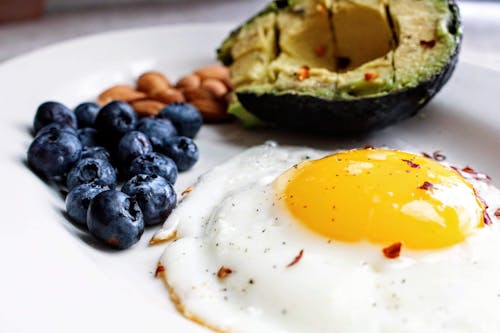
Before starting any diet, it’s essential to understand the role of different nutrients:
-
Proteins: Proteins are the building blocks of your body. They help repair muscles, boost immunity, and keep you feeling full longer. Sources: chicken, fish, eggs, tofu, lentils, beans, and Greek yogurt.
-
Carbohydrates: Carbs provide energy. Focus on complex carbs, which release energy slowly and prevent blood sugar spikes. Sources: whole grains, brown rice, oats, quinoa, sweet potatoes, and whole wheat bread.
-
Fats: Healthy fats are vital for brain function, hormone balance, and heart health. Sources: avocados, olive oil, nuts, seeds, and fatty fish like salmon.
-
Vitamins and Minerals: These keep your body functioning optimally. Eat a variety of colorful fruits and vegetables to cover most needs.
-
Water: Staying hydrated improves digestion, skin health, and energy levels. Aim for at least 8–10 glasses per day.
Tip: A good rule of thumb for balanced meals is half your plate with vegetables, a quarter with protein, and a quarter with complex carbs.
2. Sample Daily Diet Plan
Here’s a detailed example of a balanced day with meal ideas:
Breakfast (7:00–8:00 AM)
-
Option 1: Oatmeal with chia seeds, fresh berries, and a teaspoon of honey.
-
Option 2: 2 boiled eggs with whole wheat toast and a small avocado.
-
Option 3: Smoothie with spinach, banana, protein powder, and almond milk. make healthy and tasty smoothie with a blender
-
Drink: Green tea or black coffee (no sugar).
Why: Breakfast kickstarts your metabolism, stabilizes blood sugar, and fuels your morning.
Mid-Morning Snack (10:00–11:00 AM)
-
A handful of almonds or walnuts.
-
A fruit like an apple, orange, or banana.
Why: Keeps energy levels steady and prevents overeating at lunch.

Lunch (1:00–2:00 PM)
-
Option 1: Grilled chicken salad with mixed greens, cherry tomatoes, cucumber, and olive oil dressing.
-
Option 2: Brown rice, lentils, and steamed vegetables.
-
Option 3: Quinoa bowl with roasted vegetables and tofu or paneer.
Why: A balanced lunch provides protein, fiber, and complex carbs to sustain energy for the afternoon.
Afternoon Snack (4:00–5:00 PM)
-
Veggie sticks (carrot, cucumber, bell peppers) with hummus.
-
Herbal tea or a glass of water.
Why: Prevents afternoon energy crashes and unhealthy snacking.
Dinner (7:00–8:00 PM)
-
Option 1: Baked salmon with steamed broccoli and quinoa.
-
Option 2: Grilled chicken or tofu with roasted vegetables.
-
Option 3: Lentil soup with a small portion of whole wheat bread.
Why: Keep dinner light and rich in protein and fiber to aid digestion and sleep quality.
Optional Evening Snack (8:30–9:00 PM)
-
A small bowl of Greek yogurt with a few berries.
-
A cup of warm milk or herbal tea.
Why: Helps satisfy hunger without a
Adding excess calories before bed.
3. Tips for Sticking to Your Diet Plan
-
Meal Prep: Cook and store meals in advance to avoid last-minute unhealthy choices.
-
Portion Control: Use smaller plates or measure portions to avoid overeating.
-
Mindful Eating: Focus on your meals—avoid eating while watching TV or working.
-
Stay Active: Combine a healthy diet with regular exercise for best results.
-
Variety Is Key: Rotate foods to get all nutrients and avoid boredom.
-
Listen to Your Body: Eat when you’re hungry, stop when you’re full.

4. Common Mistakes to Avoid
-
Skipping meals: Leads to overeating later.
-
Over-relying on “diet foods”: Processed low-calorie foods may lack nutrients.
-
Cutting out entire food groups: Balanced diets require carbs, fats, and proteins.
-
Not drinking enough water: Hydration is critical for metabolism and energy.
Final Thoughts
A diet plan is not about restriction—it’s about creating sustainable, healthy habits. Focus on whole foods, balanced meals, and consistency. Small, gradual changes will lead to better long-term results than drastic, short-term diets.
Remember: Eat smart, stay hydrated, move your body, and enjoy your food. Your health is worth it!



0 Comments